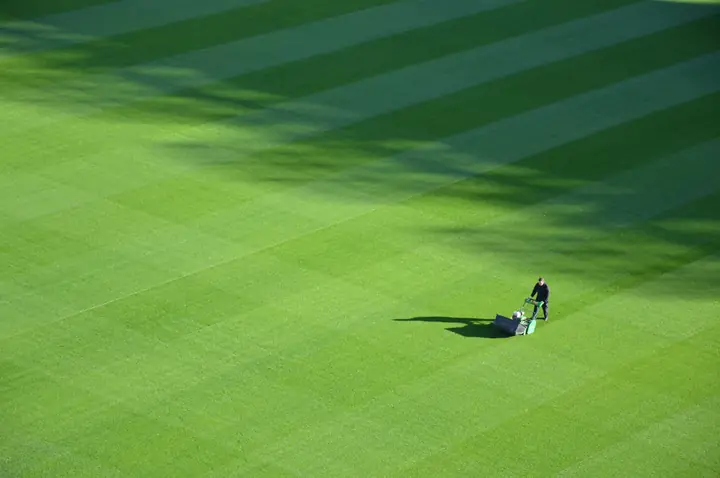
If your lawn came out of summer thin, patchy or hard as a sidewalk, fall is your chance to fix it. Aeration loosens packed-down soil, and overseeding fills in the thin spots. Done together, at the right time, they're one of the best things you can do for a lawn.
Why late summer and fall?
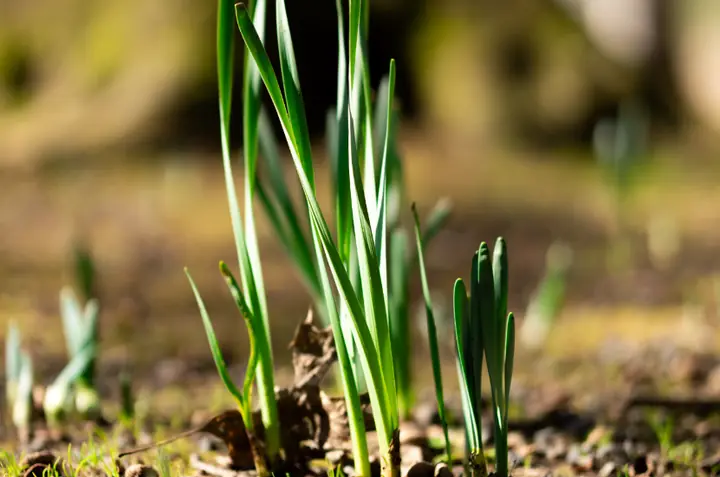
We aerate and overseed from the middle of August to the end of September. Warm days and cool nights are ideal for seed to sprout and grow. Spring is second best, but new spring grass has to survive its first summer, and weeds are sprouting right alongside it.
What aeration does
Clay soil is common across southeast Michigan, and foot traffic, kids, pets and lawn mowers pack it down over time. Compacted soil keeps water, air and fertilizer from reaching the roots. Aeration opens it back up.
There are two ways to do it:
- Core aeration pulls small plugs of soil out of the lawn.
- Liquid aeration uses a liquid solution to break up compaction without pulling plugs. That makes it a good choice for lawns with invisible dog fences or sprinkler systems.
Why seed right after
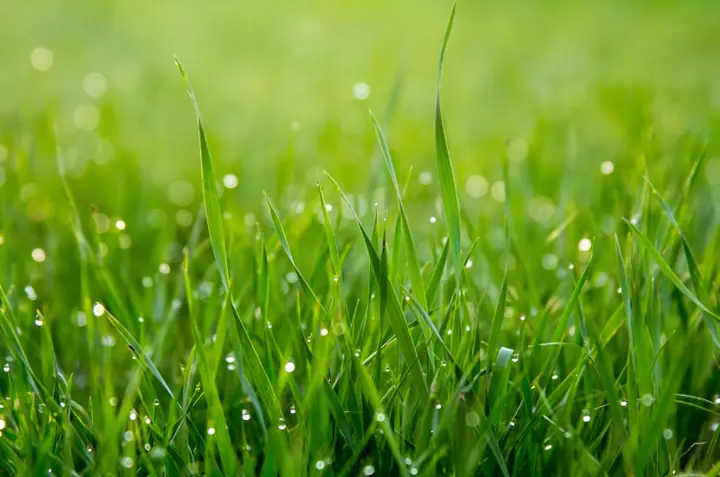
Seed that lands on hard, compacted soil mostly sits there. Seed that lands in freshly loosened soil has a much better chance to make contact, sprout and root.
Caring for new grass
- Keep it moist. Water lightly and often until the new grass is up. Seed that dries out after sprouting dies.
- Hold off on mowing until the new grass is tall enough to cut.
- Leave the soil plugs. If your lawn was core aerated, the plugs break down on their own.
- Keep feeding. Late summer, as nights cool down, is a good time to fertilize.
How Hersch's handles it
We do aeration and overseeding from the middle of August to the end of September, plus liquid aeration.